Do you have a question or need help?
Give us a call or send us an email at:
Department of Drama
249 Drama
(949) 824-6614
drama@uci.edu
Lighting Design

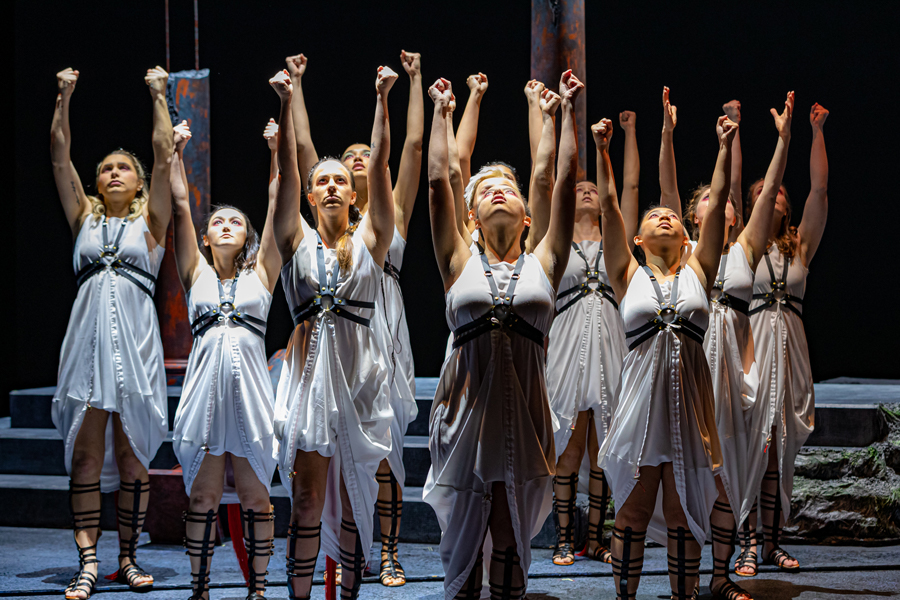
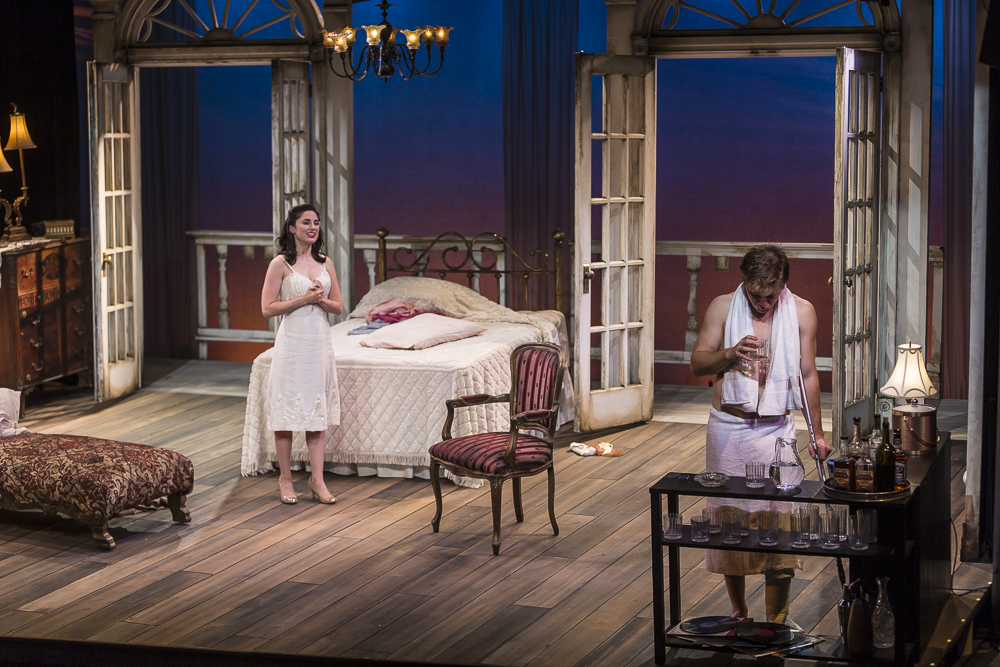


The M.F.A. Lighting Design program recruits new classes every other year. We will accept applications beginning October 2026 for admittance to the 2027-28 academic year.
Lighting Design
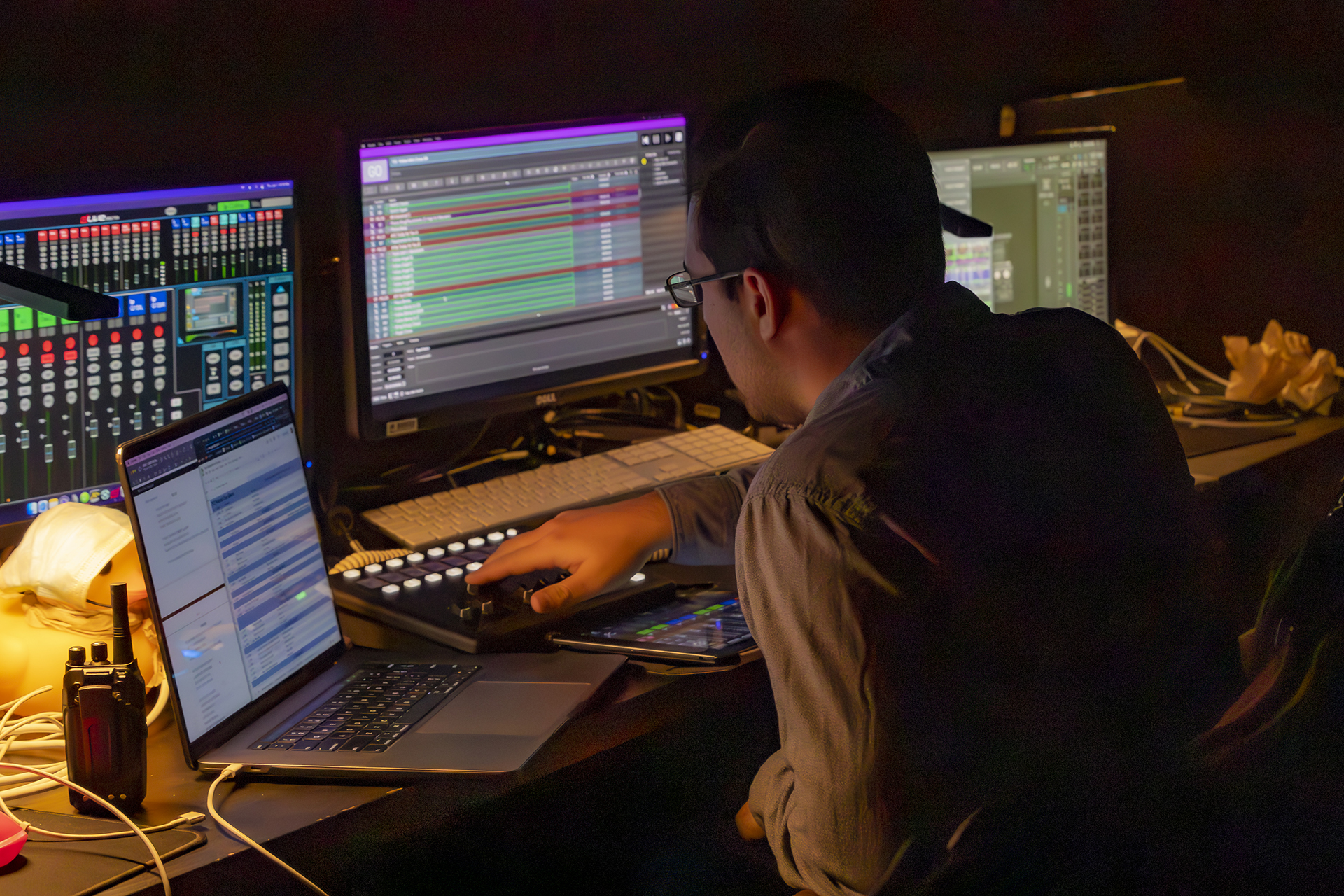
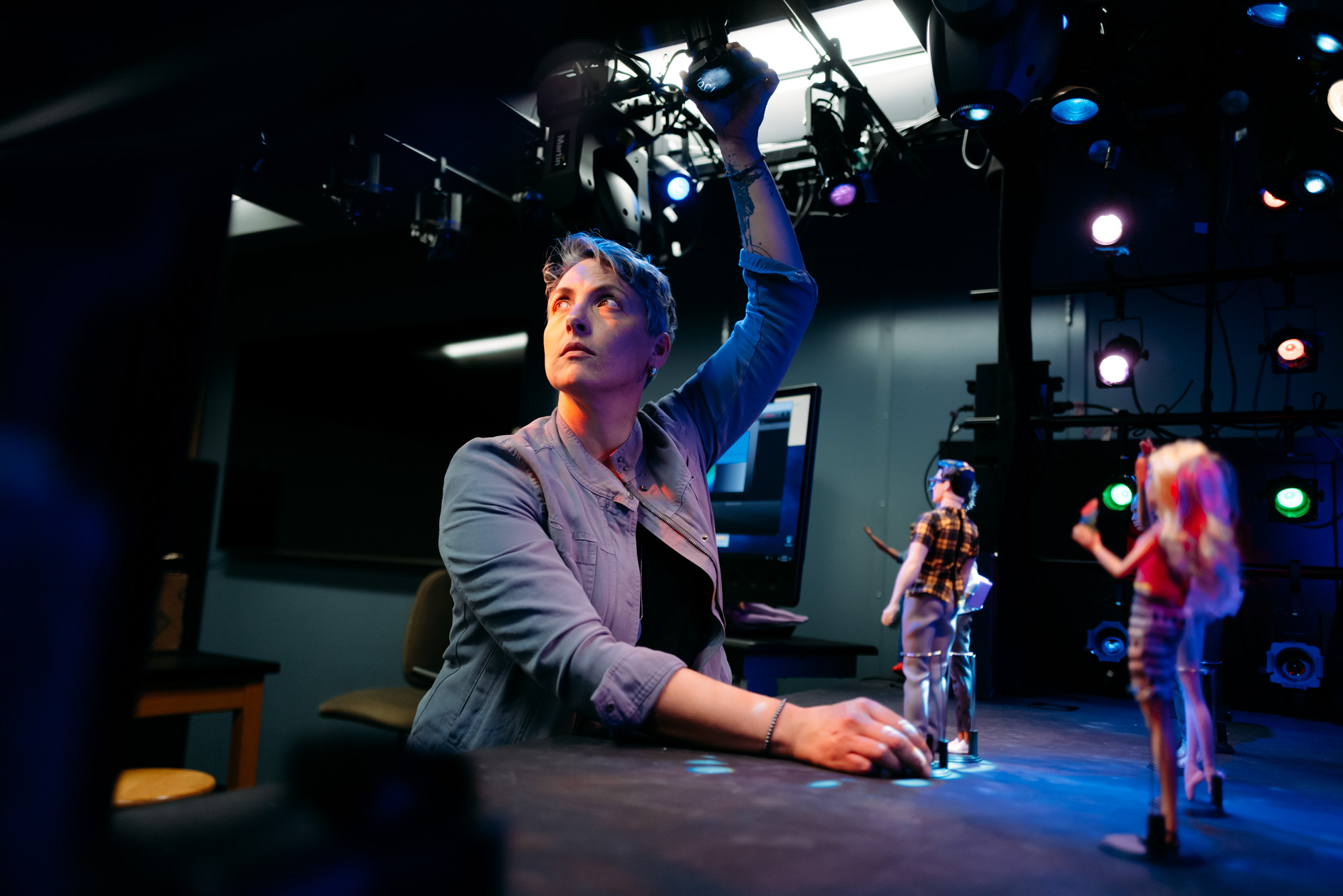
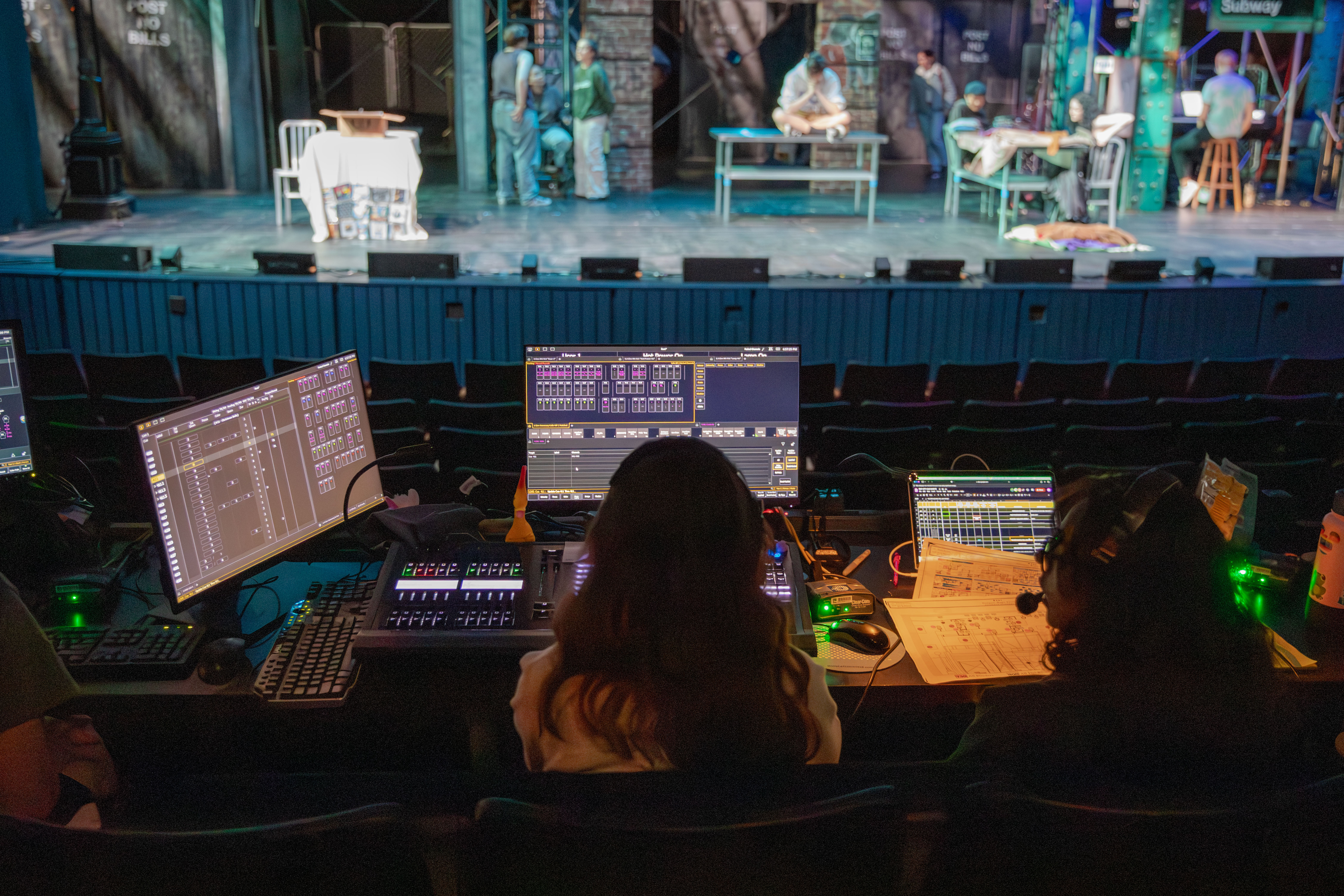
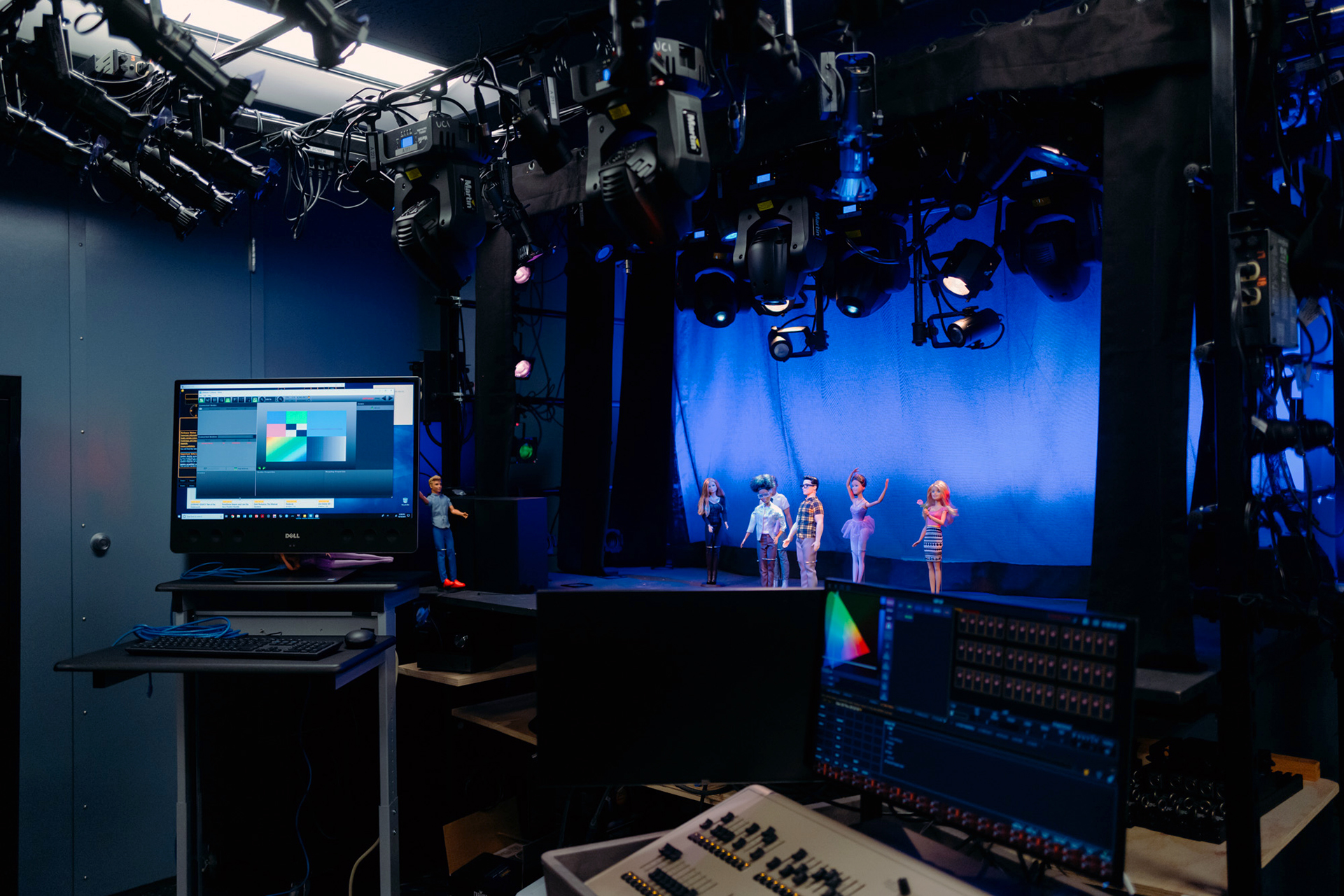
The Lighting Design program at UC Irvine is dedicated to the professional training of advanced students seeking to develop their artistic vision and technical expertise in the art and technology of lighting. The program prepares students for careers in theatrical, entertainment, concert, architectural, and themed lighting, supporting a wide range of professional pathways.
Over three years of graduate study, students receive a balanced education that integrates the creative, practical, theoretical, digital, scientific, philosophical, and psychological aspects of light. This multidisciplinary approach encourages students to explore multiple areas of lighting practice, discover their individual strengths, and develop a professional focus aligned with their interests and talents.
The program offers comprehensive training across both creative and technical domains. Coursework includes lighting composition, plotting techniques, automated lighting, digital visualization and documentation, lighting history and illumination, architectural/theme park lighting, presentation techniques, lighting technology, systems design, consulting, and lighting business management. Students also receive advanced instruction in digital design tools, including 2D and 3D modeling, scenic and lighting rendering, and digital light plot creation.
In addition to specialized lighting courses, students study dramatic literature, theatre history, script analysis, and collaborative practices. These courses support intellectual growth and deepen students’ understanding of lighting as an expressive and communicative art form within the broader theatrical context.
The process of lighting design is emphasized as strongly as the final result. Students participate in collaborative meetings and production planning sessions before developing design solutions, ensuring clear communication among all members of the creative team. Faculty provide coaching in both verbal and visual presentation skills, guiding students in articulating design intent and preparing comprehensive lighting plans that support the full creative potential of each production.
Training is grounded in coursework, multiple design opportunities both on and off campus, assistant design assignments, critique, observation, and technical crew participation. Central to the program is the close mentorship and critical evaluation provided by the lighting design faculty. Students are treated as members of a professional design community, with individualized attention given to creative development, problem-solving ability, and professional maturity.
Through an extensive alumni network, graduate students gain access to leading theatrical production companies, entertainment design firms, architectural lighting studios, and themed entertainment organizations. These professional connections enhance internship opportunities and support the transition from graduate study to professional practice.
By emphasizing a holistic approach to lighting over the three-year program, students graduate with a strong artistic foundation, technical proficiency, and professional readiness to succeed as lighting designers across diverse industries.