Do you have a question or need help?
General Questions:
dance@uci.edu
Department Chair:
Professor Kelli Sharp
ksharp@uci.edu
Department Manager:
Sholeh Satari
ssatari@uci.edu
Department Analyst:
Emma Andres
eaandres@uci.edu
UCI Arts Student Affairs and Academic Advising
Department of Dance
4000 Mesa Road, Suite 300
Irvine, CA 92697-2775
(949) 824-7283
Research

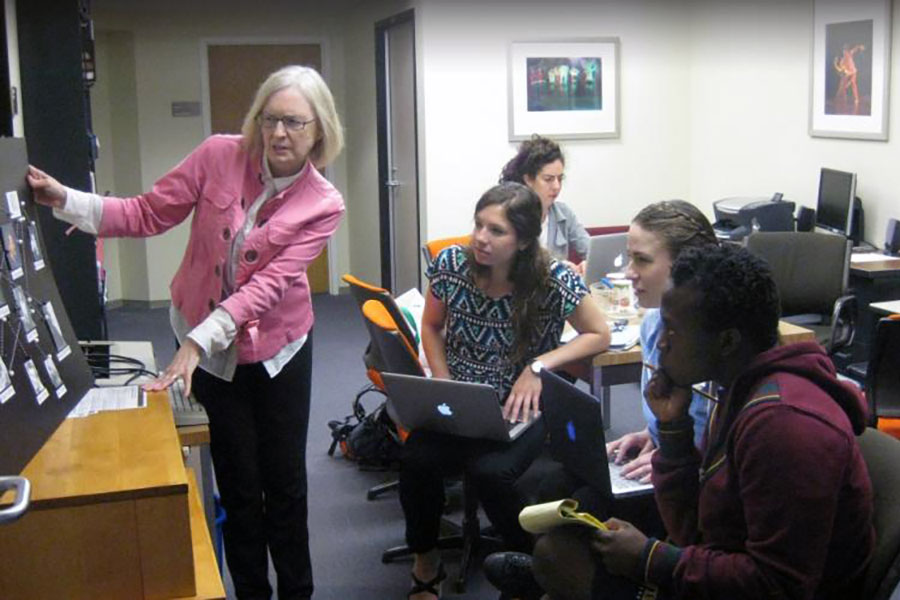
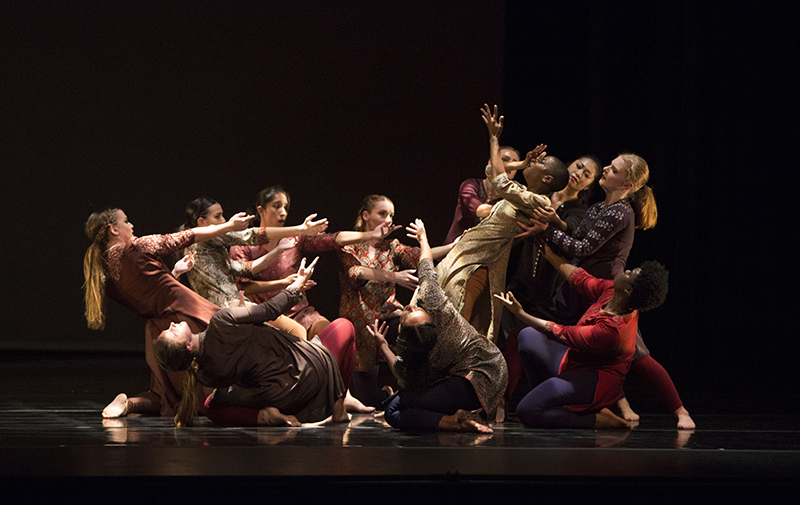


The Department of Dance is nationally acclaimed and has a long-standing tradition of excellence offering an educational environment integrating performance opportunities, creative projects, and theoretical studies. Our wide-ranging areas of research and study create an environment in which students create, perform, analyze and investigate dance from experiential, historical, philosophical and scientific perspectives.
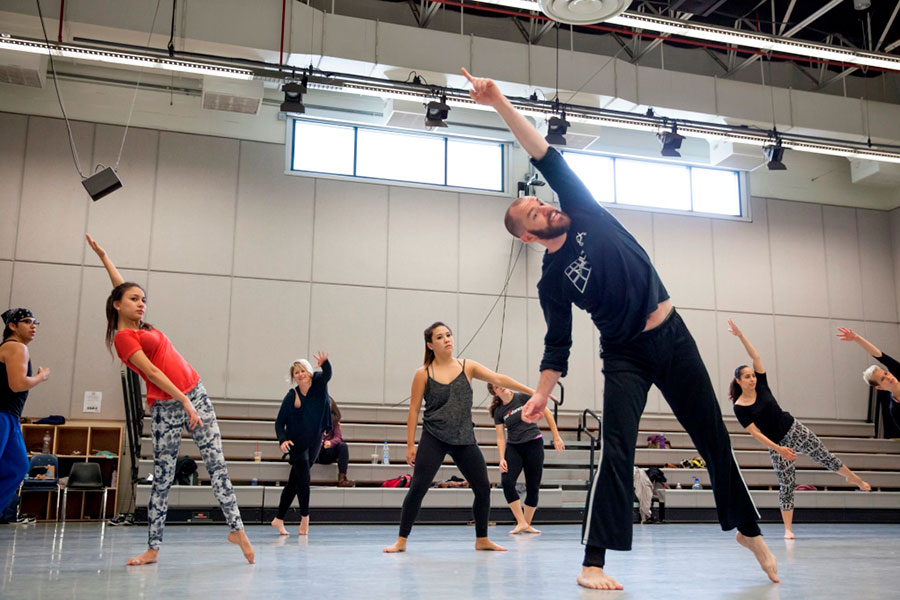
The curriculum features a wide range of studio courses designed to build strong technical skills. UCI emphasizes four genres of technique: classical ballet, modern/contemporary, Hip Hop and jazz. The department offers these techniques in multi-level sequences. Training in choreography ranges widely from the free exploration of movement, space, sound, and formal concepts, to the study of the craft of choreography for both stage and screen.
Students have many opportunities to perform and to choreograph, which include the Department’s three annual concerts, as well as many interdisciplinary productions.
In lecture courses, students develop literacy and methodological skills in a variety of disciplines including movement analysis, critical issues in dance, dance history, teaching methods, screendance, dance science, arts management, and music for dancers. These courses provide training in the many disciplines of dance study and enhance the students’ understanding of dance as an art form, a physical discipline, a means of social and ritual expression, and an integral component of human life and culture world-wide.
Performance
UCI Dance is one of the largest and most comprehensive university dance programs in the United States. Our philosophy embraces dance in its many forms, offering multiple levels of ballet, modern/contemporary, hip hop, jazz and a changing selection of world dance forms such as Indian (Bharata Natyam and Kathak), Tango, African, and Sri Lankan dance.
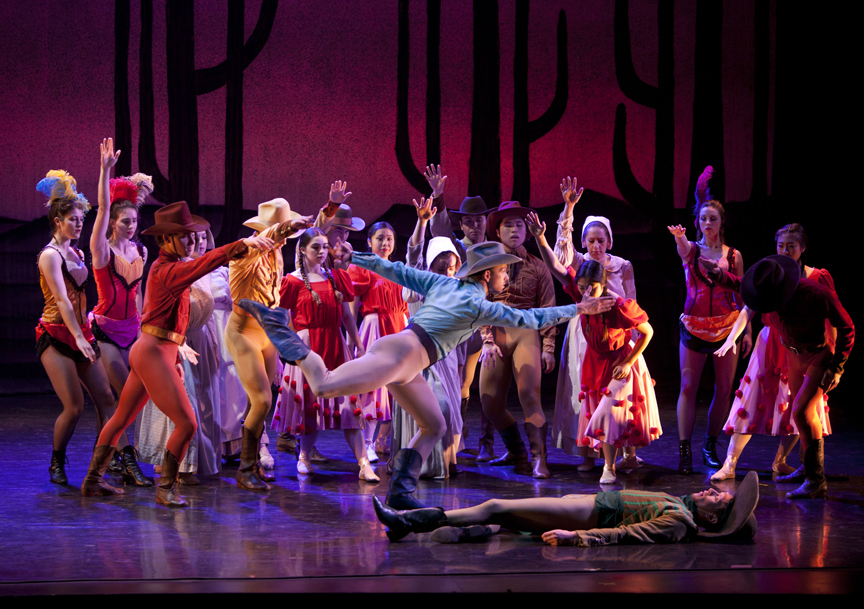
We provide exceptional performance opportunities for dance students. Each year the department presents three fully mounted, on-stage dance concerts: Dance Visions, choreographed by faculty and guest artists; New Slate and Dance Escape, choreographed by graduate students; and Physical Graffiti, created by undergraduate students. Additionally, students have numerous opportunities each year to perform in graduate thesis projects, undergraduate thesis projects, faculty special research projects and informal showings.
The Claire Trevor School of the Arts produces an opera or musical theatre work every year, providing additional performance opportunities for dance students.
Choreography
Each year, faculty choreographers, undergraduate dance majors and graduate dance students create original choreography for performances in our state-of-the-art theaters. The Experimental Media Performance Lab offers additional opportunities to explore innovative forms, including media integration and new performer–audience relationships.
The B.F.A. in Choreography is one of three undergraduate degree options and provides multiple platforms for student work. The department produces Physical Graffiti each spring, a concert featuring selected undergraduate choreography. Students also organize and direct Bare Bones, an independent student-produced performance. Informal showings at the end of each quarter offer further opportunities to develop and share new work.
M.F.A. candidates regularly present their choreography in departmental concerts and shared thesis performances in their second year. Graduate work also appears in site-specific projects, digital media, and studio showings, reflecting the wide range of creative research supported in the program.
Our faculty artists lead a vibrant creative community. Their work is commissioned and performed nationally and internationally, and they create original choreography each year for Dance Visions, our annual faculty concert featuring undergraduate and graduate dancers. Dance Visions often includes guest artists who bring additional perspectives and approaches to our diverse learning environment.
Dance and Technology
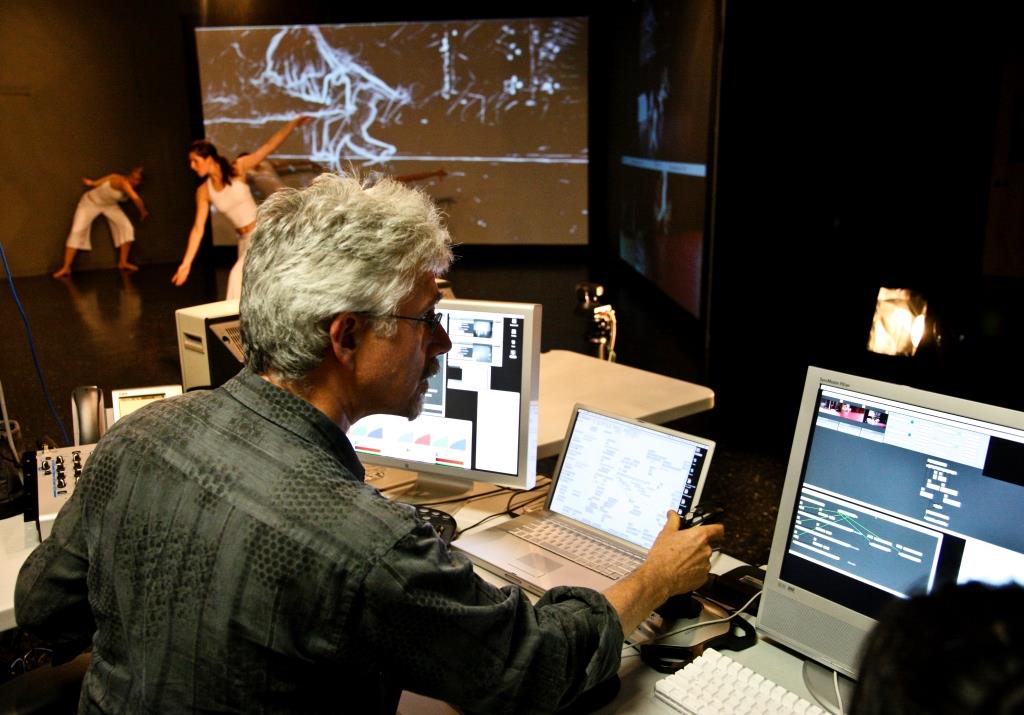
UCI Dance has long been a leader in dance and technology, pioneering one of the first full-time faculty positions in the United States dedicated to this field. With the launch of our motion-capture studio in 1998, students became early innovators, exploring movement in digital space long before immersive technologies were commonplace.
Today, that spirit of experimentation is central to our graduate and undergraduate curriculum. Coursework in dance for camera, motion capture, projection design and emerging platforms prepares students to create for both live and virtual audiences. The Experimental Media Performance Lab (xMPL), opened in 2012 in the Contemporary Arts Center, offers a flexible black-box environment where choreography, media and technology converge.
Our faculty artists continue to push the boundaries of performance and digital creation. Their work has earned awards and commissions across North and South America, Europe and Asia, and is shaping the future of how movement is captured, experienced and shared.
Dance Medicine and Science
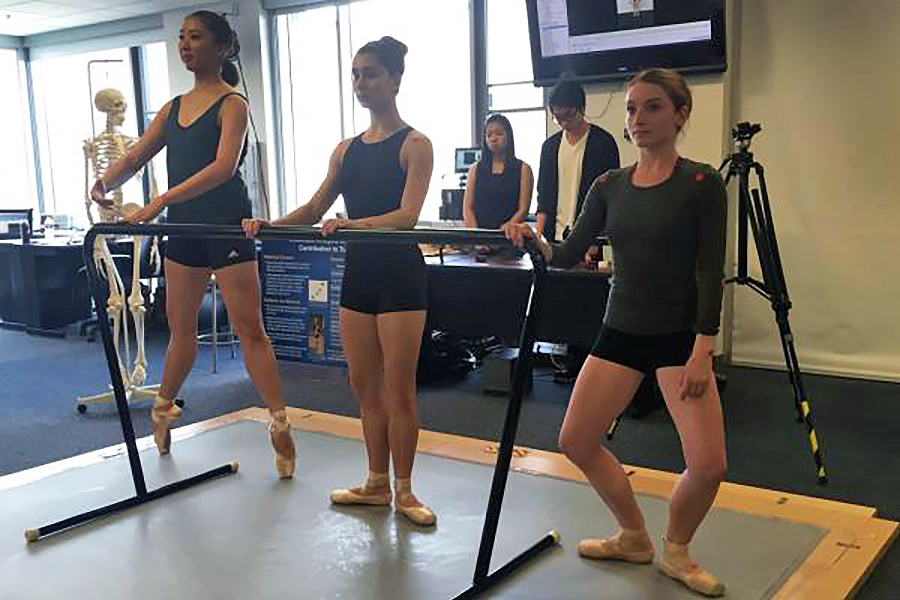
UCI Dance provides an environment where dancers study the theories of human motion with opportunities for sound, logical, and meaningful dance activities linking theory and practice in the context of dance techniques, choreography, and pedagogy. The goal is to encourage informed dancers who move with knowledge of how their body may move efficiently, effectively, and expressively with out injury to reach their full potential as a performer with the highest possible level of neuromuscular skills.
In addition to training in dance injury prevention and rehabilitation, courses in this area provide a background and opportunity for focus in dance science and related fields. Courses provide students with an opportunity to learn structural and functional anatomy of the musculoskeletal system and anatomical structures pertinent to dance, learn biomechanics related to dance, and to explore static and dynamic dance techniques utilizing the concepts of kinesiology. Application of the science of human kinesiology to dance movements enables students to develop a greater understanding of dance techniques and the risks associated with their improper execution.
History and Theory
Undergraduate dance students at UCI study dance history across multiple quarters, exploring a wide range of movement traditions and cultural perspectives. The curriculum emphasizes not only the evolution of ballet, modern and contemporary dance, but also the role of dance in global events, identity, community and social change.
Students consider how dance reflects the world around it, examining topics such as nationalism, cultural expression, social dance traditions, political resistance and the influence of technology and media. Coursework encourages a broad view of dance as both an art form and a lived cultural practice, with examples drawn from regions including Africa, Asia, Europe and the Americas.
Research, writing, discussion and creative inquiry are incorporated throughout, along with opportunities to engage with archival materials and choreographic projects. By understanding the historical forces that shape the contemporary dance world, students gain the knowledge and context needed to contribute thoughtfully as performers, choreographers, educators, scholars and engaged audience members.
Critical Issues in Dance
Students in this upper-division writing course engage deeply with the ideas and conversations that shape the dance field today. The class emphasizes how to write clearly and persuasively about dance, including how to analyze work, form an argument and communicate a point of view to different audiences.
Coursework introduces students to the role of criticism, exploring how dance writing appears in journalism, scholarship, and digital media. Through reading, discussion and writing assignments, students consider the cultural and social issues that influence dance in practice and performance. Topics may include representation, identity, equity, labor and the impact of global events and commercial forces on artistic expression.
Presentations and written projects ask students to respond to works they see, research current conversations in the field and connect dance to broader public discourse. By developing a strong voice as a writer and critical thinker, students gain the skills needed to advocate for dance, participate in informed critique and contribute to the evolving dialogue of the performing arts.