Do you have a question or need help?
Give us a call or send us an email at:
Department of Drama
249 Drama
(949) 824-6614
drama@uci.edu
Scenic and Projection Design
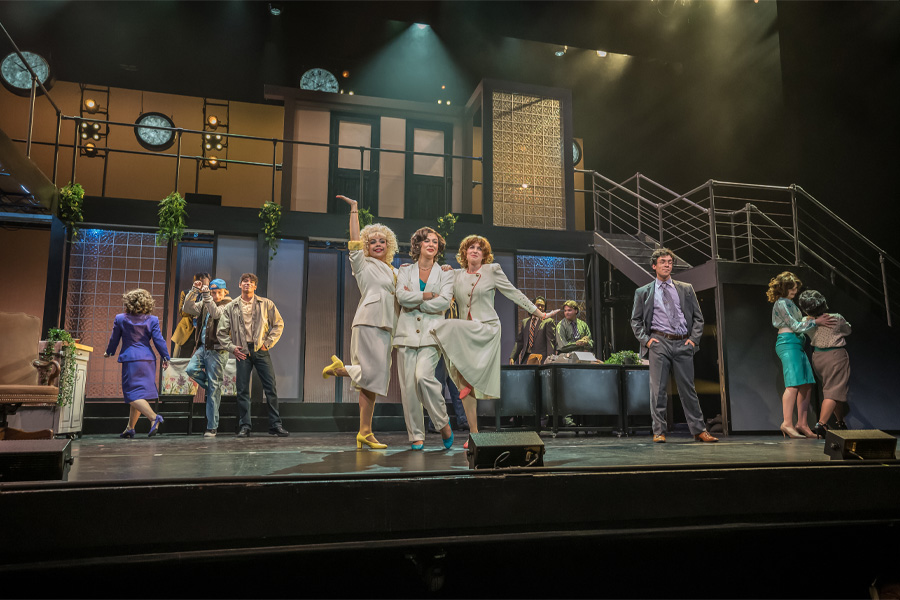
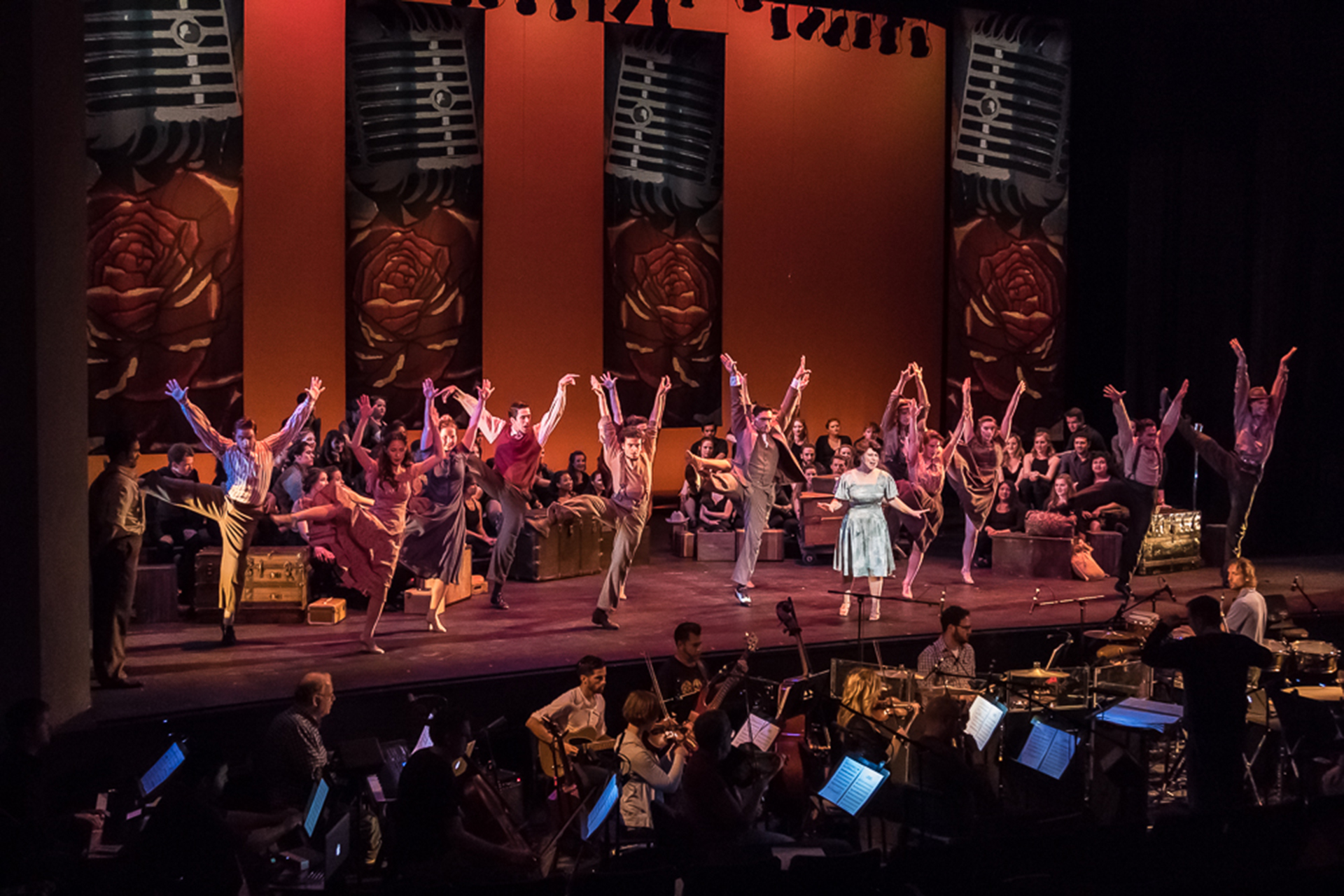
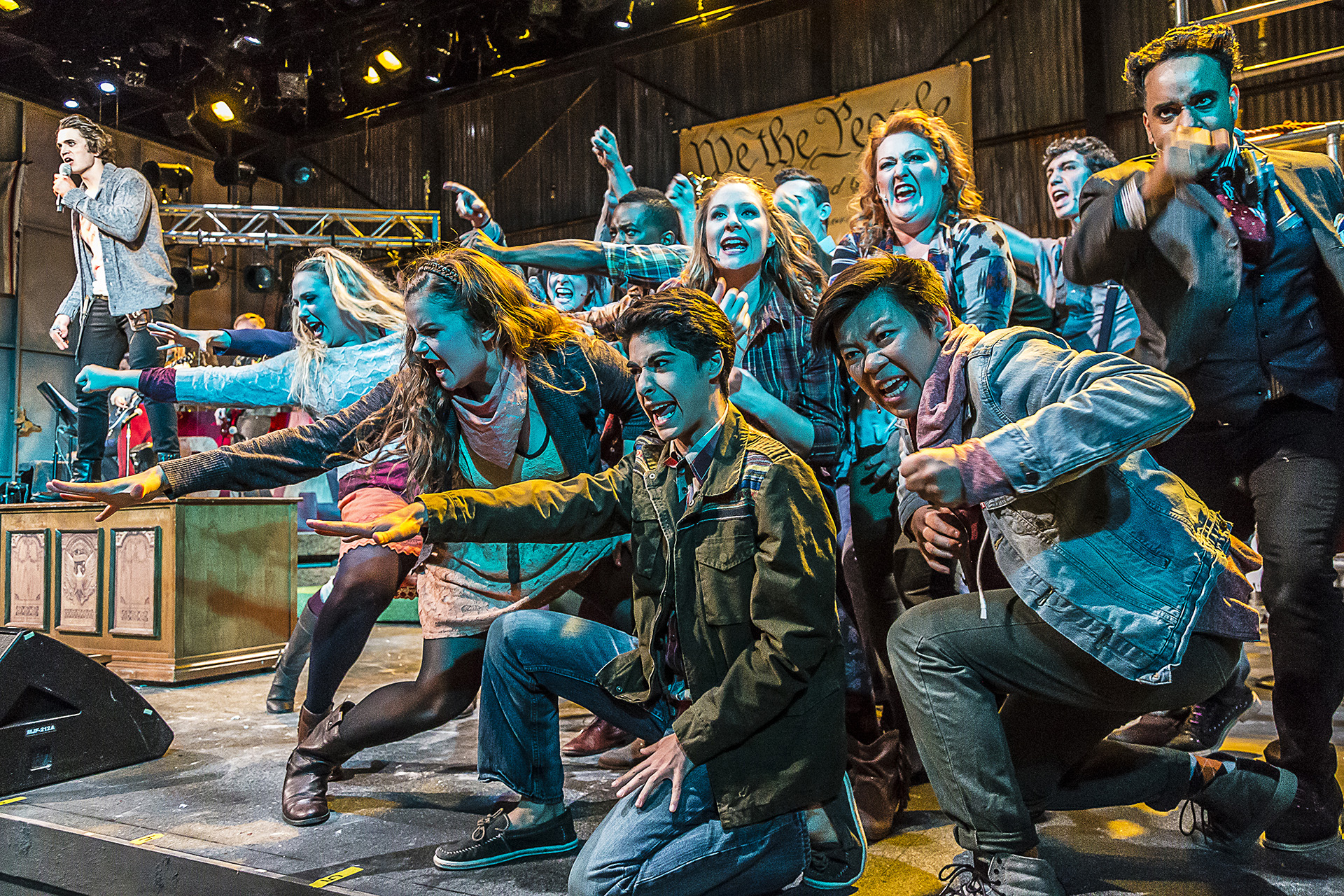

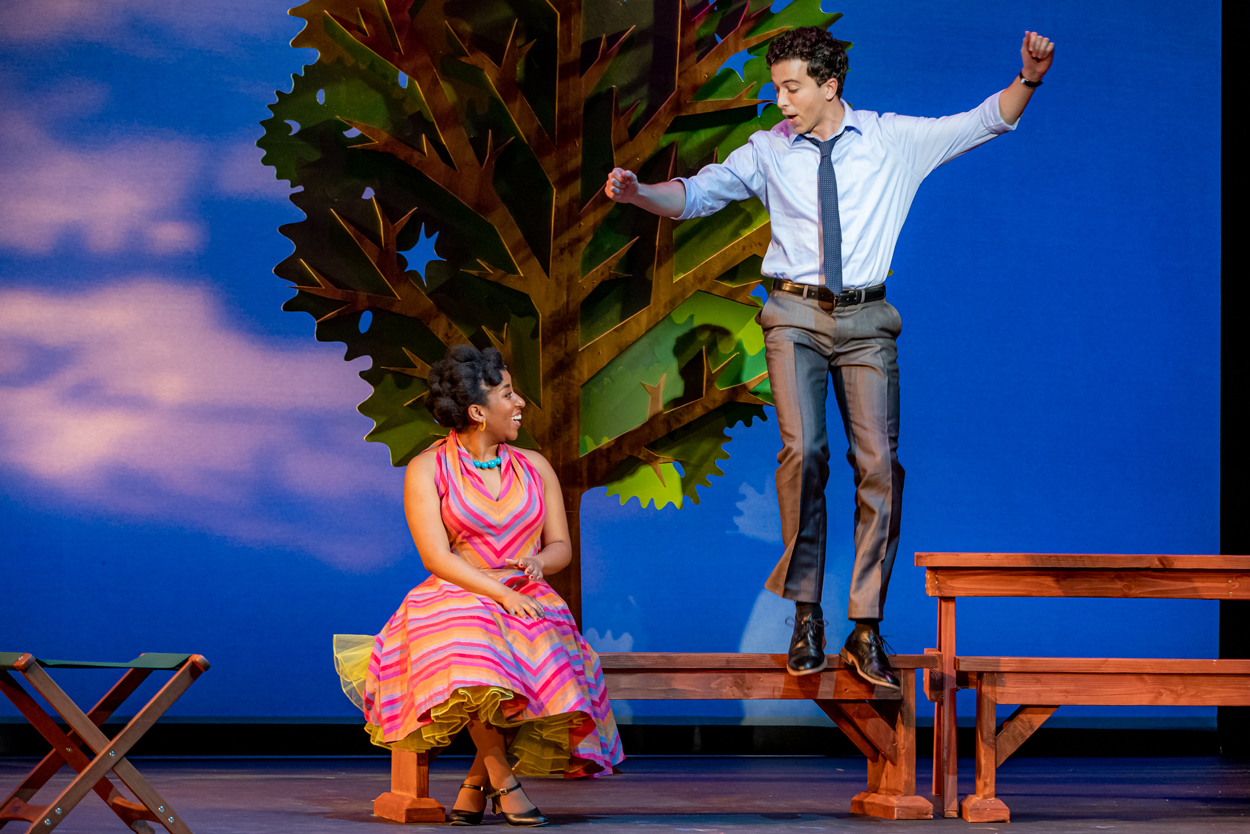
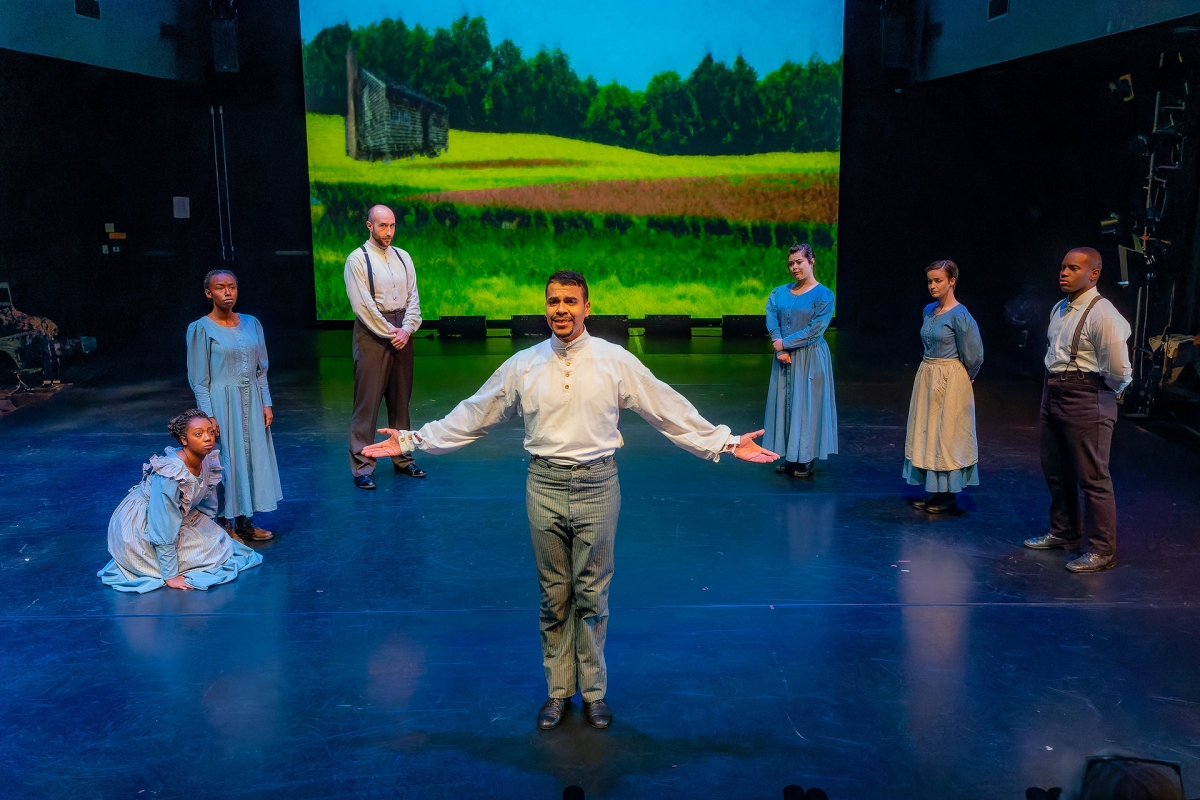



The M.F.A. Scenic and Projection Design program recruits new classes every other year. We will accept applications beginning October 2026 for admittance to the 2027-28 academic year.
Scenic Design Philosophy
Scenic design is a process of discovery. As designers explore ideas, they uncover what most clearly supports, clarifies, and recontextualizes the story being told. Design emerges through a series of choices made by the designer in collaboration with the director and performers,choices that collectively define the world of the play. No single choice is inherently correct or incorrect. Rather, the designer evaluates whether these choices work together to form a unified whole, a system of meaning that resonates with the audience.
The Scenic Design program at UC Irvine grounds its curriculum in this process of discovery, cultivating a generation of alert, collaborative, and incisive theatre artists. All strong design begins with a nuanced reading of the text and is shaped through thoughtful dialogue with collaborators and critical engagement with the work. As a design evolves, the designer refines ideas to support the most vital and compelling theatrical experience. We aim to train designers who are, first and foremost, storytellers. This approach also prepares students for related fields such as film, television, and commercial design.
Scenic and Projection Design
Within the Scenic Design program, students may pursue focused development in projection design, or in both scenic and projection design. These areas are taught as closely related but distinct practices, each with its own tools, processes, and technical frameworks, while sharing a common foundation in storytelling, spatial thinking, and collaboration.
Projection design is approached as a spatial layer that expands how environments are constructed and experienced in performance. Students engaging in this area develop an understanding of digital technology, media systems, content creation, and the integration of projected imagery within live space, in dialogue with scenic design processes. Opportunities for collaboration across departments are also available, allowing students to broaden their experience in interdisciplinary contexts.
This structure allows students to build depth in one area while remaining fluent across both, reflecting the increasingly hybrid nature of contemporary performance design.
Curriculum Structure
Central tools in the design process are the designer’s eye and hand. The development of the hand focuses on technical and graphic skills and is addressed through technique-based courses in hand drafting, CAD, 3D modeling, and digital imaging. The development of the designer’s eye occurs through core design courses that emphasize discovery, critical self-evaluation, and constructive response to the work of peers.
Students pursuing scenic design focus on spatial composition, material exploration, and the physical realization of performance environments. Those focusing on projection design engage with animation, mixed media, system design, media server programming, and the relationship between image, light, and surface.
In addition, students take courses in dramatic literature and visual literacy to deepen their ability to engage with design in a sophisticated and contemporary context.
Production Opportunities
Production work begins in the first quarter of the first year. Throughout the program, students typically complete both assisting and designing assignments each year. These production experiences allow students to see their work fully realized while developing a deep understanding of collaboration.
Scenic designers learn to lead the design process, advocate for their ideas, and communicate effectively with directors and colleagues, while maintaining a clear focus on what best serves the play as a whole. Strong design encourages bold and imaginative choices across all areas of production.
Design at UC Irvine is a rigorous and rewarding pursuit that prepares students for professional practice and lifelong creative exploration. Incoming students should expect a demanding experience in which challenges and setbacks are understood as essential parts of the artistic process. While prior scenic design experience is not required for admission, applicants should demonstrate the ability to communicate ideas clearly, both visually and verbally.
Core Faculty
Associate Professor Efren Delgadillo Jr. heads the Scenic Design program. A scenic designer, projection designer, painter, and fabricator, his work has been seen in LORT theatres nationwide, as well as in site-specific projects in Europe. He has collaborated with numerous theatre companies on new play development, workshops, and scenographic prototyping. While maintaining an active professional career, Professor Delgadillo regards his work at UC Irvine as a primary focus.
Assistant Professor Yee Eun Nam is a visual artist and designer specializing in live performance and digital media. Born and raised in Seoul, Korea, she studied painting, sculpture, and metal craft before pursuing theatre design. Her work spans opera, theatre, and music performance, with projects at major national and international institutions. She has received multiple awards and nominations for her design work and is the founder of the experimental visual design studio Pigment Design Lab. She holds an M.F.A. in Theatre Design and a B.F.A. in Design and Metal Craft.
Instruction and mentorship are further enriched by guest teaching artists working in areas such as film and television production design, art direction, and scenic painting.
Facilities and Support
UC Irvine offers five primary performance venues, including large proscenium theatres, a thrust stage, and experimental black box spaces. Graduate students are provided with studio space and access to computer labs equipped with CAD and imaging software, scanners, and large-format output devices.Students pursuing projection design have access to media servers, as well as dedicated software and hardware to support both coursework and production.
Qualified graduate students typically receive tuition and fee waivers, teaching assistantships, on-campus graduate housing, and health insurance, creating a supportive environment for focused study and creative work.